
Massage obviously feels good. But over the last two decades a growing body of research has tried to measure what it actually does to the body — to stress hormones, sleep, pain and circulation. Here are seven benefits that hold up well in the evidence, explained in plain language.
More than just relaxation
Major medical centres now treat massage as a legitimate part of complementary care, not just a luxury. The Mayo Clinic lists stress, pain and muscle tension among the conditions it can help, and the Cleveland Clinic describes it as a useful tool for both physical and mental wellbeing.
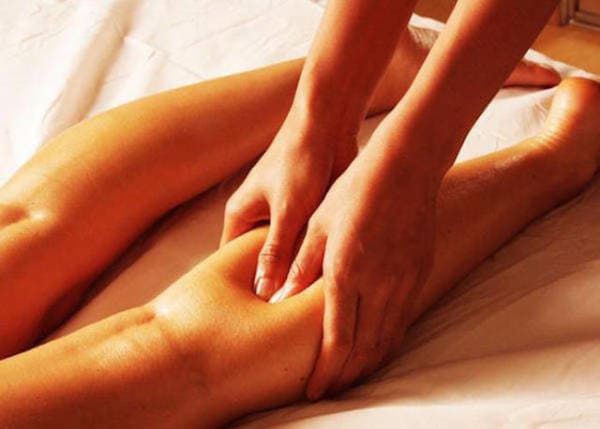
7 evidence-based benefits at a glance
Here's the short version — the benefit, what the research suggests, and how strong the evidence currently is.
| Benefit | What the research suggests | Evidence |
|---|---|---|
| Lower stress hormones | Studies have measured drops in cortisol after massage, alongside rises in serotonin and dopamine. | Moderate |
| Better sleep | Relaxation and parasympathetic activation help many people fall asleep faster and sleep deeper. | Moderate |
| Less muscle & back pain | Repeated sessions can reduce chronic low-back and neck pain and improve function. | Strong |
| Reduced anxiety | Slow, sustained touch lowers physiological arousal and self-reported anxiety. | Moderate |
| Improved circulation | Mechanical pressure encourages local blood flow and lymphatic movement. | Emerging |
| Faster exercise recovery | Massage can ease delayed-onset muscle soreness (DOMS) after hard training. | Moderate |
| Headache relief | Tension-type and some migraine sufferers report fewer, milder episodes. | Emerging |
Stress, cortisol & sleep
The most consistent finding is around stress. A widely-cited review of massage research reported that sessions were associated with lower cortisol (your main stress hormone) and higher serotonin and dopamine — the same neurochemistry involved in mood and calm (Field et al., 2005). Lower physiological arousal is also why so many people sleep deeply the night of a massage; the Sleep Foundation notes massage may help both sleep quality and insomnia symptoms.
Why the body responds
Pain & recovery
The strongest clinical evidence is for musculoskeletal pain, especially chronic low-back and neck pain, where repeated massage can meaningfully reduce pain and improve day-to-day function. For active people, massage also helps with delayed-onset muscle soreness after hard training, making recovery a little more comfortable.
How often is enough?
Benefits build with consistency rather than one-off visits:
- General wellbeing & stress: once or twice a month.
- Chronic pain or tension: weekly for 4–6 weeks, then taper.
- Training & recovery: around hard training blocks or events.
If a regular reset sounds good, our relaxing and therapeutic treatments are tailored to exactly what your body needs that week — and you can book an outcall session across central Shanghai.
References
This article is for general education and isn't medical advice. If you have a health condition, check with your doctor before starting massage therapy.
- Mayo Clinic — Massage: Get in touch with its many benefits.
- Cleveland Clinic — Massage Therapy.
- Field T. et al. (2005) — Cortisol decreases and serotonin and dopamine increase following massage therapy. Int. J. Neuroscience.
- Sleep Foundation — Massage and Sleep.
- Healthline — Benefits of Massage.
Sources are linked inline within the article above.