Walk into any massage menu in Shanghai and you'll meet the same three names again and again: Swedish, deep tissue and Tui Na. They sound interchangeable, but they do genuinely different things to your body. Pick the wrong one and you either leave wishing it had gone deeper — or wincing from pressure you never wanted. This guide breaks down exactly how they differ, and gives you a simple way to choose.
The three styles at a glance
Every massage style is really a different answer to one question: what is this session for? Relaxation, targeted pain relief, or whole-body rebalancing.
- Swedish / relaxing massage — long, flowing strokes with light-to-medium pressure. The goal is to calm the nervous system, ease everyday tension and help you unwind.
- Deep tissue massage — slower, firmer, more pinpointed work that reaches the deeper layers of muscle and fascia to release chronic knots and stubborn tightness.
- Tui Na (推拿) — a Traditional Chinese Medicine bodywork style using pressing, kneading and stretching along meridian lines to restore circulation and the flow of qi.
Side-by-side comparison
Here's the quickest way to see the difference — pressure, purpose, how it feels and who each one suits best.
| Feature | Swedish | Deep Tissue | Tui Na |
|---|---|---|---|
| Pressure | Light–medium | Firm–intense | Medium–firm |
| Main goal | Relaxation & stress relief | Release chronic knots & pain | Rebalance energy & circulation |
| Pace | Slow, gliding | Slow, targeted | Rhythmic, dynamic |
| Discomfort | None — purely soothing | Some 'good pain' | Mild, occasional |
| Best for | First-timers, winding down | Athletes, chronic tension | Stiffness, TCM-minded guests |
| After-feel | Calm, floaty | Looser, sometimes tender 1–2 days | Energised, lighter |
How each one actually feels
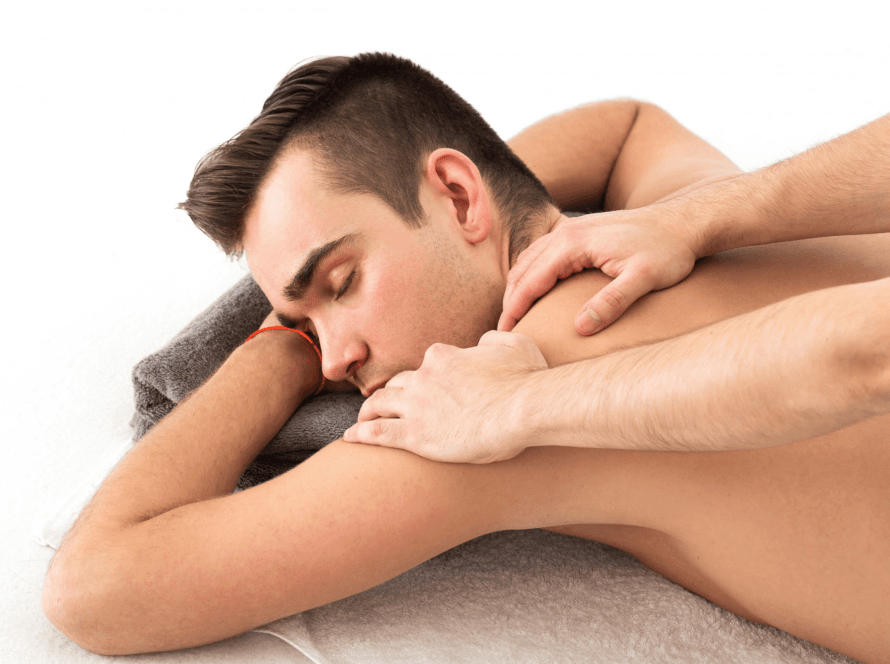
A Swedish massage feels like being slowly smoothed out. The strokes are continuous and predictable, your breathing deepens, and most people drift halfway to sleep. As the experts at Healthline put it, Swedish work is designed primarily to relax the whole body rather than fix one spot.
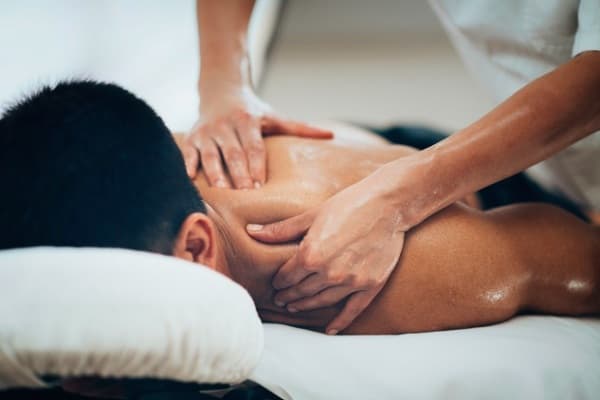
A deep tissue massage feels more like a conversation between the therapist's thumbs and your muscle fibres. The therapist sinks in slowly, holds, and waits for the tissue to soften. You may feel a deep ache that — when it's working — releases into relief. According to the Cleveland Clinic, this kind of focused pressure is what helps with stubborn muscular pain.
Tui Na feels different again — brisker and more clinical, with rolling, pressing and the occasional stretch or joint mobilisation. It's less about melting and more about getting things moving.
A quick word on pain
Which massage should you choose?
If you're unsure, work through these four questions in order — the first "yes" usually points to your style.
- 1
Is this your first massage, or do you just want to switch off?
Start with Swedish / relaxing. It's the gentlest introduction and the best pure stress-reliever.
- 2
Do you have specific, chronic knots or pain?
Choose deep tissue and tell the therapist exactly where it hurts so the session focuses there.
- 3
Feeling stiff, sluggish or 'blocked' rather than in pain?
Try Tui Na — its pressing and stretching is built to restore circulation and mobility.
- 4
Want a bit of everything?
Ask for a blended session: relaxing strokes to warm up, then deep, targeted work on your problem area.
Booking the right massage in Shanghai
Whichever style you choose, the single biggest factor in how good it feels is the therapist's skill and how well they listen. A great session always begins with a short consultation about pressure, focus areas and anything to avoid.
At Private Massage, every treatment — from a soothing Relaxing Massage to focused Dragon Tendon (Tui Na-style) bodywork — is tailored to you and delivered with full discretion, with outcall available across Huangpu and central Shanghai. If you're still not sure which to book, just say so when you get in touch and we'll match the session to your body and your day.